No-Code Platforms: Accelerating the Development of Custom Machinery

Website development has been leveraging no-code platforms for several years now, revolutionizing how people create digital products. Today, anyone with little to no programming experience can build and launch websites using platforms that offer simple, visual tools. These platforms empower users to configure, customize, and deploy websites quickly, without needing to write a single line of code.

But what about industrial applications? Building custom machinery, with complex systems of sensors, actuators, and control units, has traditionally required advanced programming knowledge and significant development time. However, much like the world of website development, industrial manufacturing is now benefitting from no-code platforms.

With no-code controllers and software platforms, manufacturers can reduce development time, adapt flexibly to changing demands, and achieve high levels of customization—all without needing extensive programming expertise. Here’s how these platforms are transforming custom machinery manufacturing.
Challenges with Traditional Controller and Software Development

For manufacturers building custom machinery—whether in industrial automation, material testing, or specialized equipment—the development of control systems and software applications has long been a significant hurdle. Key challenges include:

1. Using Off-the-Shelf Controllers:
Platforms like PLCs and MCU-based controllers, or industrial PCs offer a range of capabilities but often require complex programming languages like Ladder Logic, LabVIEW or conventional text-based languages for customization. This setup can be time-consuming, especially when integrating advanced workflows or new sensor configurations.

2. Developing Custom Controllers and Software:
Custom control systems often require manufacturers to design both hardware and software from scratch, managing data acquisition, control logic, and user interface. This process demands significant R&D investment and leads to long development cycles, resulting in delays and higher costs.

3. Vendor-Dependent Customization:
When using specialized controllers, manufacturers are often dependent on the vendor for any required software customization. This dependency limits flexibility and can result in longer lead times for adjustments or new features, as well as additional costs.

How No-Code Platforms Simplify Development

While many traditional industrial solutions, like TulipIgnition, and Quixy, are focused on process control automation, newer no-code platforms are expanding these benefits to custom machinery manufacturing. These platforms eliminate the need for advanced programming knowledge, providing visual interfaces that allow manufacturers to quickly build and deploy custom machinery.

No-code controllers and platforms are becoming essential for manufacturers building custom machinery, offering several key advantages:

  • Faster Time-to-Market
    By streamlining control system and software development, manufacturers can reduce project timelines and bring products to market faster.
  • Reduced Development Costs
    No-code platforms reduce the need for specialized developers, allowing manufacturers to rely on in-house engineering teams and lower their development costs.
  • Greater Flexibility
    No-code tools allow for quick and easy modifications to both hardware and software, enabling manufacturers to adapt quickly to changing market needs.
  • Improved User Experience
    Custom dashboards and user-friendly interfaces make it easier for operators to control machinery and visualize data, improving the overall user experience.
  • Centralized Control and Monitoring
    Manufacturers can manage multiple machines remotely, ensuring smooth operations and quick updates across all systems.

How TACTUN supports Material Testing Machine Manufacturers with its no-code platform

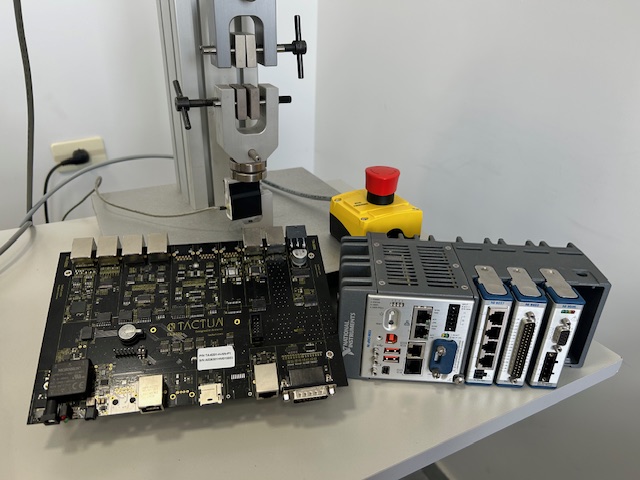
TACTUN’s no-code controller and software platform are designed to help material testing machine builders streamline their development process.

Consider a manufacturer preparing to launch a new static or fatigue testing machine. In a traditional setup, they would need to select a controller, hire developers, and spend months writing software to manage the system. Custom interfaces for operators would require even more coding and testing, adding to the time and cost.

With a true no-code platform, the process becomes dramatically simpler. Engineers configure the control system and software simultaneously, using a visual interface to design workflows and dashboards. Instead of relying on external developers, the team integrates sensors and actuators themselves, testing configurations in real time. In just a few days, the machine is ready for deployment, equipped with a custom control system and software.

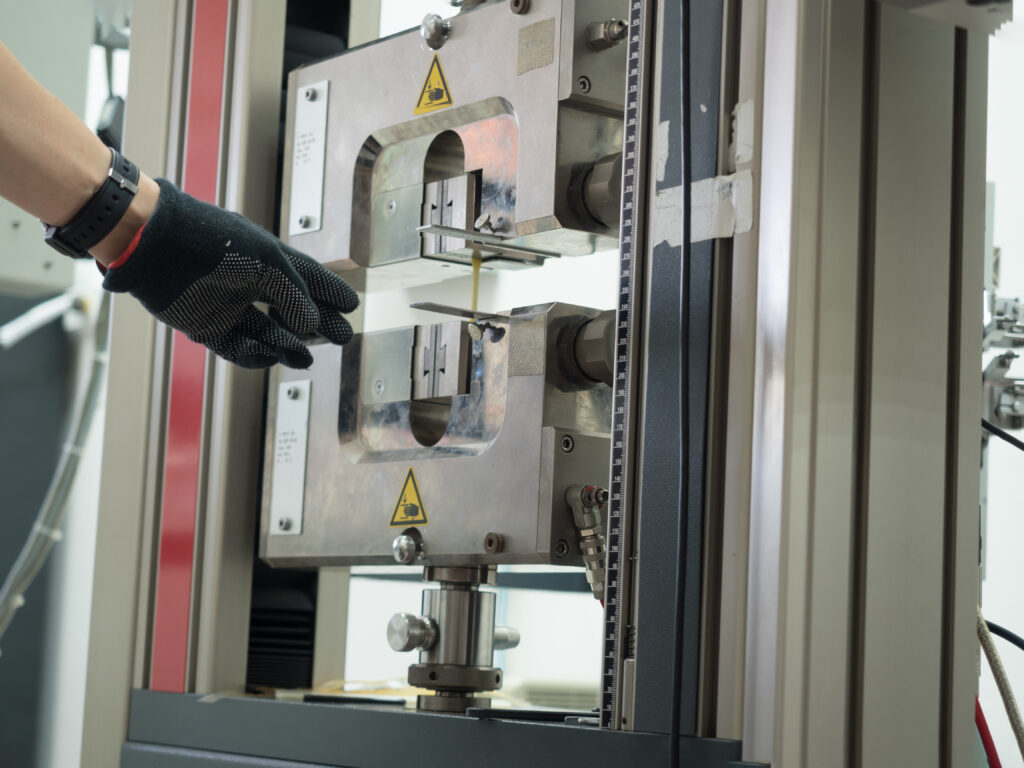
Material testing machine

With TACTUN, material testing machine manufacturers can reduce development time by up to fivefold, lower costs by 80%, and greatly enhance machine flexibility—all while seamlessly managing the complex aspects of control and software development.

Share this post: