Testing Machine Retrofit: Modernize Your UTM Instead of Replacing It
A testing machine retrofit keeps the frame, actuators and load cells you trust while replacing the obsolete controller, electronics and software. This practical guide covers retrofitting aging Instron, MTS, Zwick/Roell and Amsler Vibrophore machines — when a retrofit beats buying new, and where TACTUN’s controller and no-code software fit in.
The short answer
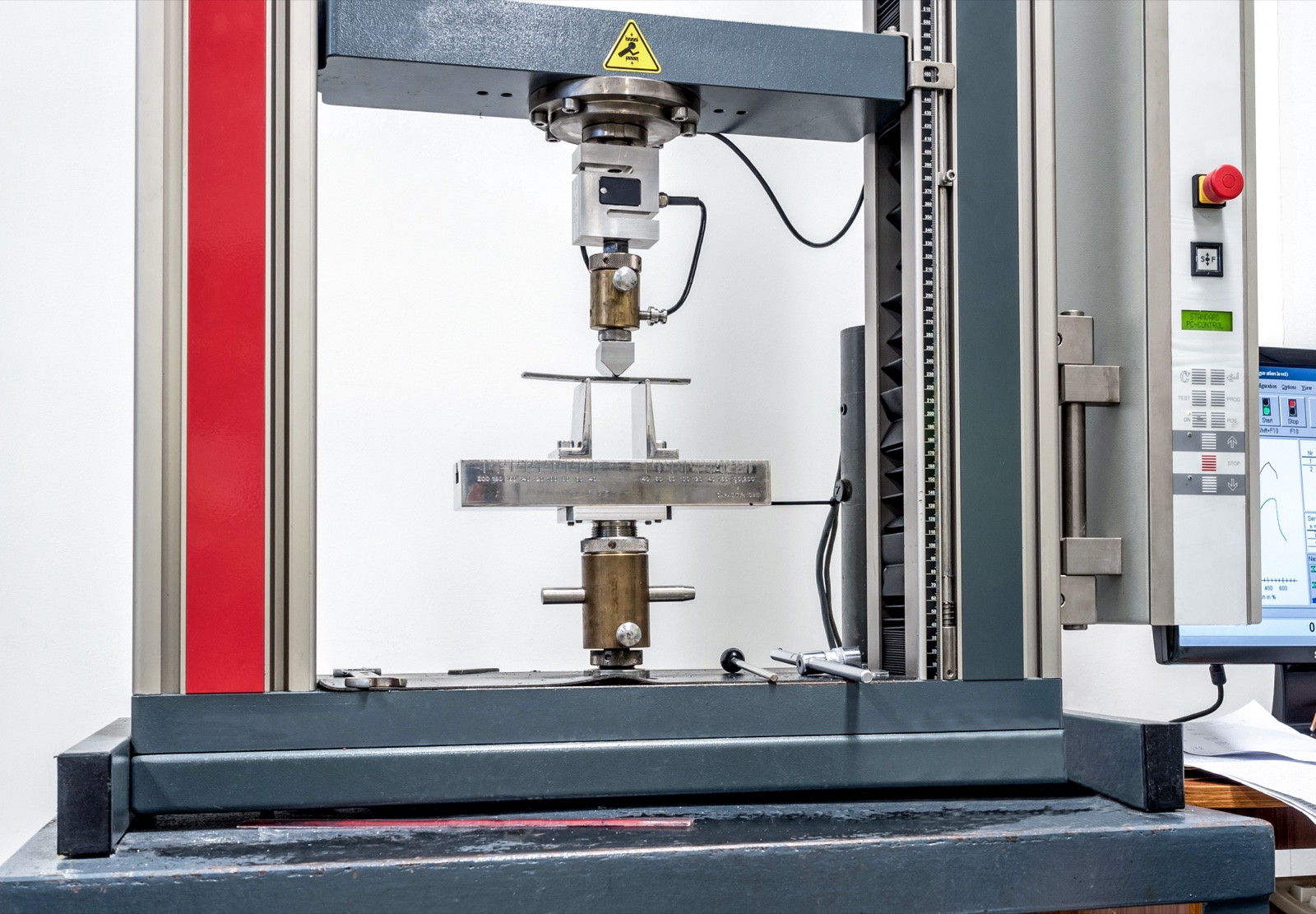
A testing-machine retrofit modernizes an aging universal testing machine (UTM) or fatigue rig by replacing its obsolete controller, electronics and software while keeping the expensive, hard-wearing mechanics — the load frame, actuators, servo valve and load cells — in place.
It makes sense when the frame is mechanically sound but the controller is discontinued, the software is unsupported, data acquisition is slow, or there’s no modern closed-loop servo control. Retrofitting typically costs US$500–$35,000 versus US$35,000–$200,000+ for a new machine, and can extend service life by 10–15 years.1
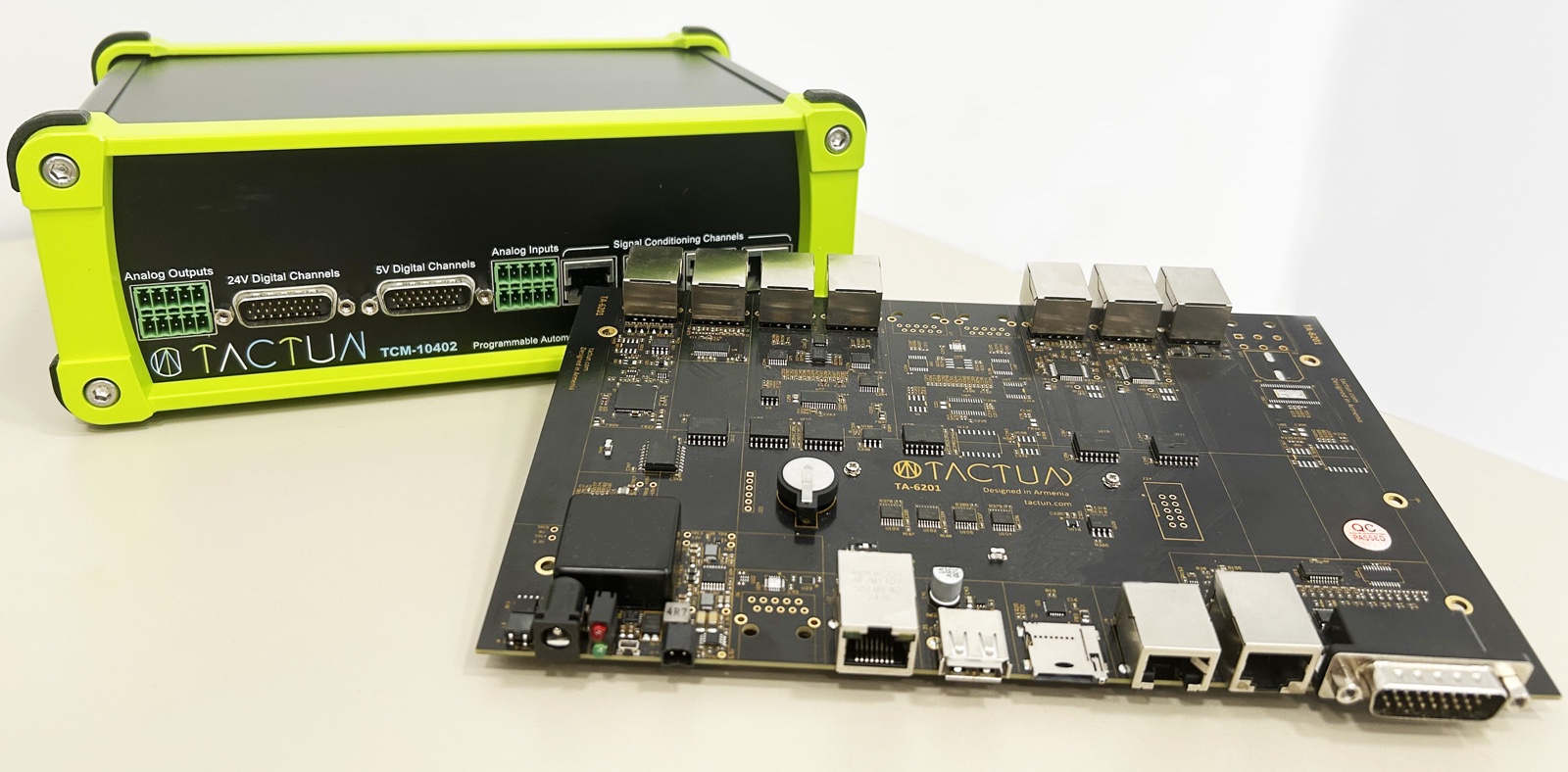
TACTUN supplies the two modern pieces a retrofit needs: an FPGA-based controller (closed-loop control up to 100 kHz) and a no-code, white-label Windows app. TACTUN doesn’t perform the mechanical retrofit, and there’s no one-size-fits-all kit — you (or your retrofit partner) specify the machine’s I/O, TACTUN builds a controller to fit it, and your team installs and configures it. A documented example: a customer modernized an Instron 8511 servo-hydraulic rig with a TACTUN controller and had it back in operation in about a day.2
Retrofit vs. replace: the honest comparison
Retrofitting isn’t always the right call — but for a structurally sound machine, it usually is. Here’s how the two stack up on the factors that decide it.
| Factor | Retrofit (modern controller + software) | Buy a new machine |
|---|---|---|
| Typical cost 1 | US$500–$35,000 — from a digital indicator to a full servo-hydraulic power unit with modern software | US$35,000–$200,000+; large servo-hydraulic systems US$250,000–$300,000 |
| What you keep | Load frame, actuators, servo valve, load cells & grips (where serviceable) | Nothing — full replacement of mechanics you may have just calibrated |
| Downtime & disruption | Lower — the frame stays where it is; controller and wiring are swapped | Higher — de-install, install, re-plumb/re-wire and recommission |
| Service-life extension 1 | +10–15 years on equipment you already own | New baseline (and new depreciation) |
| ASTM / ISO compliance | Re-validate & calibrate after the upgrade (ISO 17025 UTM calibration ≈ US$1,000–$5,000) 3 | Calibrated at delivery, then ongoing |
| Best when… | Frame & actuators are sound; you need modern control, software or DAQ | Frame is worn/cracked, undersized for your loads, or beyond economic repair |
1 Retrofit and new-machine cost ranges and the 10–15-year life-extension figure are from ADMET’s retrofit guidance (“Retrofit or Replace Hydraulic Universal Testing Machine?” and MTESTQuattro retrofit pages) — retrofits ~US$500–$35,000 (a simple digital indicator up to a full servo-hydraulic power unit with Windows software), new machines ~US$35,000–$200,000, large 200,000-lb-class servo-hydraulic systems ~US$250,000–$300,000. 3 ISO 17025 UTM calibration ≈ US$1,000–$5,000 (TACTUN market research; full source list on file). Costs vary widely by machine size, force range and scope — treat as planning ranges, not quotes.
When buying new is the better call
Be honest with yourself about the mechanics. Replace rather than retrofit if the load frame is cracked, fatigued or corroded; if it’s undersized for the loads you now run; if mechanical spares (columns, crossheads, actuators) are no longer available; or if a new machine’s throughput and warranty genuinely justify the capital. A retrofit modernizes the brain and nerves of a machine — it can’t fix tired bones.
What a testing machine retrofit actually changes
Independent guidance is consistent: the load frame is “the most expensive and hard-wearing component,” so a good retrofit keeps it and replaces the parts that actually age out — the controller, indicators and electronics.
Typically kept
Load frame and columns · hydraulic or electromechanical actuators · servo valve · load cells and extensometers · grips and fixtures — wherever they’re still accurate and serviceable.
Typically replaced
The obsolete controller and indicators · aging signal-conditioning and data-acquisition electronics · unsupported PC software · and, where needed, servo amplifiers or a tired hydraulic power unit.
Signs it’s time: a discontinued or unrepairable controller, software that no longer runs on supported Windows, dial gauges or low-resolution readouts limiting accuracy, no automatic closed-loop servo control, or data acquisition too slow for the test methods you run today.
What a TACTUN-powered retrofit delivers
A TACTUN retrofit modernizes the controller and software, not the mechanics. The controller is built to your machine’s exact I/O and paired with a no-code app your team brands and configures — so you keep the frame you trust and gain modern control and software.
Built to your I/O
FPGA-based control of force, displacement and strain, with conditioning matched to your existing sensors — strain-gauge load cells, LVDTs, encoders and servo valves. No generic kit; the controller is configured to the machine in front of you.
Your software, no coding
Generate a branded Windows app with the no-code builder — test methods, live dashboards, PID/feed-forward control and data export. Configure new procedures without firmware work.
Modern DAQ & high-rate control
High-resolution acquisition plus closed-loop control up to 100 kHz, leaving headroom for dynamic and high-frequency fatigue work that older electronics can’t keep up with.
Standards-ready
Built for static, dynamic and fatigue testing to ASTM, ISO and EN methods, so your lab can re-validate and calibrate the machine after install and document compliance and traceability.
Keep your mechanics
Your frame, actuators, servo valve and load cells stay in place wherever they’re sound — so you preserve the parts you’ve already paid for and calibrated, and minimize downtime.
The 100 kHz figure is TACTUN’s own published closed-loop control spec. Whether your machine needs that headroom depends on the test: electromechanical UTMs running static tests are comfortable near 1 kHz, while dynamic and high-frequency fatigue benefit from a fast loop. The point isn’t a raw leaderboard — it’s control margin for demanding work.
4 Closed-loop (servo) control rate — how often the controller reads the sensor, computes the correction and drives the actuator — not the data-acquisition sampling rate, which is typically much higher and should not be confused for it. 5 Control channels = independent closed-loop control axes, not data-acquisition channels. TACTUN’s M-family scales up to 32 control channels. 6 Measurement accuracy of the 32-bit Wheatstone-bridge signal-conditioning channels: ±0.001% of full-scale (±25 mV/V) at 5 V excitation (±0.0005% at 10 V), per the TACTUN controller manual.
Retrofitting by machine brand
TACTUN’s controller and no-code software are used to retrofit machines from any major maker — by retrofit shops, OEMs and in-house engineering teams. TACTUN’s part is the same across brands: build a controller to the machine’s I/O and provide the software. We only cite brand-specific results we can document.
Instron
- Large installed base of servo-hydraulic (8500/8800-series) and electromechanical frames still mechanically sound but running obsolete electronics
- Documented: a customer modernized an Instron 8511 with TACTUN — keeping the frame, 10 kN actuator, load cell and Moog servo valve, and replacing the controller and software (see the case study below)
- Scope and lead time depend on your exact configuration — confirmed in your proposal
MTS
- Common candidates: aging servo-hydraulic frames whose control electronics are costly to service
- A TACTUN controller is built to match the servo valve, actuator and sensor I/O — closed-loop control for static, dynamic and fatigue work
- We don’t publish MTS-specific retrofit specs we can’t back — the fit is confirmed from your machine’s I/O
Zwick/Roell
- Electromechanical frames are long-lived; the limiting factor is usually the controller and software generation
- A modern controller + no-code software restores precise closed-loop crosshead and load control and ASTM/ISO reporting
- The controller is tailored to each frame’s drive and sensor interfaces
Amsler / Vibrophore
- Resonance fatigue machines run very high cycle counts; aging analog control limits flexibility and data capture
- High-rate closed-loop control and modern DAQ suit high-frequency fatigue — a TACTUN controller is fit to the resonance drive and instrumentation
- Resonance systems are specialized — the fit is confirmed from the machine’s drive and instrumentation, not promised up front
Other makes
The same build-to-your-I/O approach applies to SATEC, Tinius Olsen, Baldwin, Forney, Shimadzu, Wance and in-house or unbranded frames. If it has a frame, actuator and sensors worth keeping, it’s usually a retrofit candidate — the deciding factor is whether the mechanics are sound.
Note: established retrofit specialists such as ADMET also upgrade many of these brands with their MTESTQuattro controller and software. A retrofit market with several capable providers is good for machine owners — the right choice depends on the control performance, software model and support you need.
How a retrofit with TACTUN works
A clear, low-risk path from an aging machine to a modern, standards-ready one. TACTUN builds the controller and provides the software; your team — or your retrofit partner — handles the on-site work.
You specify the machine’s I/O
You identify the sensors, actuators, servo valve and channels the new controller must drive. TACTUN provides an I/O form and module options to make this straightforward.
TACTUN proposes a controller
Within about five business days, TACTUN returns a draft block diagram, per-unit pricing and lead time for a controller matched to your I/O — so you know the scope before committing.
Controller built to your I/O
TACTUN builds the FPGA-based controller — signal conditioning, control channels and outputs configured for your machine. Custom-configured controllers run a 3–5 month lead time; stock units ship faster.
You install & commission
Your team or retrofit partner swaps in the controller and wiring while the frame stays in place. In the documented Instron 8511 case, the customer’s install and bring-up took about a day.2
You build the software — no code
Configure your branded Windows app with the no-code builder: test methods, dashboards, control logic and data export — without firmware development.
You validate & calibrate
You or your calibration provider validate against your test methods and calibrate to ASTM/ISO, so your lab can document accuracy and traceability.
Install time varies by machine and is not a promise of a one-day turnaround in every case — the documented one-day figure is from the Instron 8511 retrofit once the controller was on site. The controller build itself is the lead-time driver (3–5 months for a custom configuration, faster from stock).
Documented case study — Instron 8511
A retrofitting customer modernized an Instron 8511 servo-hydraulic dynamic testing machine that was held back by outdated control, limited data acquisition and slow response. Using a TACTUN controller and the no-code software, the customer replaced the obsolete electronics — and the machine was back in operation in about a day.
Frequently asked questions
What is a testing machine retrofit?
A retrofit modernizes an existing testing machine by replacing its obsolete controller, electronics and software while keeping the mechanical parts — the load frame, actuators, servo valve and load cells — wherever they’re still accurate and serviceable. It restores modern closed-loop control, data acquisition and software without the cost of a whole new machine.
Does TACTUN perform the retrofit installation?
No. TACTUN supplies the controller and the no-code, white-label software. The physical retrofit — machine assessment, install and calibration — is done by your own team or a retrofit partner. TACTUN’s part is to build the controller to your machine’s I/O and support the software configuration.
Should I retrofit or replace my testing machine?
Retrofit when the frame and actuators are mechanically sound but the controller is discontinued, the software is unsupported, or data acquisition and control are too slow for today’s methods. Replace when the frame is cracked, fatigued, corroded or undersized for your loads, when mechanical spares are unavailable, or when a new machine’s throughput and warranty justify the capital. A retrofit modernizes control and software — it can’t fix worn mechanics.
Which brands of testing machine can be retrofitted?
Most major makes — Instron, MTS, Zwick/Roell, Amsler/Vibrophore, SATEC, Tinius Olsen, Baldwin, Forney and Shimadzu, plus in-house frames. TACTUN builds a controller to each machine’s I/O and provides the no-code software; a customer has a documented Instron 8511 retrofit built on TACTUN. Other specialists such as ADMET also retrofit many of these brands.
Will a retrofit keep my load frame, actuators and load cells?
Yes, wherever they’re sound. The load frame is the most expensive, hard-wearing part of the machine, so a good retrofit preserves it along with serviceable actuators, servo valves and calibrated load cells. A retrofit replaces the controller, electronics and software, and only the mechanics that are worn or out of spec.
How long does a retrofit take, and what’s the lead time?
The lead-time driver is building the controller to your machine’s I/O — typically 3–5 months for a custom configuration, faster from stock units. On-site install is much quicker: in the documented Instron 8511 retrofit, the customer installed the controller, built the software with the no-code builder and had the machine operational in about a day. Your proposal states the lead time for your machine.
Will my retrofitted machine still meet ASTM and ISO standards?
Yes. The controller and software are built for ASTM, ISO and EN test methods, and after install the machine is re-validated and calibrated. ISO 17025 calibration of a UTM typically costs about US$1,000–$5,000 depending on force range and accreditation.
How much does a retrofit cost compared with a new machine?
Industry guidance puts retrofits at roughly US$500–$35,000 — from a simple digital indicator up to a full servo-hydraulic power unit with modern software — versus US$35,000–$200,000+ for a new machine (large servo-hydraulic systems run US$250,000–$300,000). A TACTUN controller is priced per unit with no engineering fee; your proposal gives a firm figure for your machine.
Spec a controller for your retrofit
Tell us your machine’s I/O — brand, frame, actuators, sensors and the standards you test to. TACTUN will propose a controller built to fit, with no-code white-label software, an honest lead time and per-unit pricing. Your team handles the install; TACTUN provides the modern controller and software.