
A higher N-value indicates greater strain hardening, which improves the material’s formability by distributing strain more evenly across the structure.
R-Value and N-Value in Material Selection
While metrics like modulus of elasticity and yield strength are widely used to evaluate material properties, R-value and N-value provide specific insights into formability and work-hardening behavior. These parameters are particularly valuable when selecting materials for manufacturing processes that involve significant deformation, such as:
- Deep drawing
- Stretch forming
- High-performance stamping
Together, R-value and N-value help engineers predict how a material will behave under specific forming conditions, reducing the risk of defects and optimizing performance.
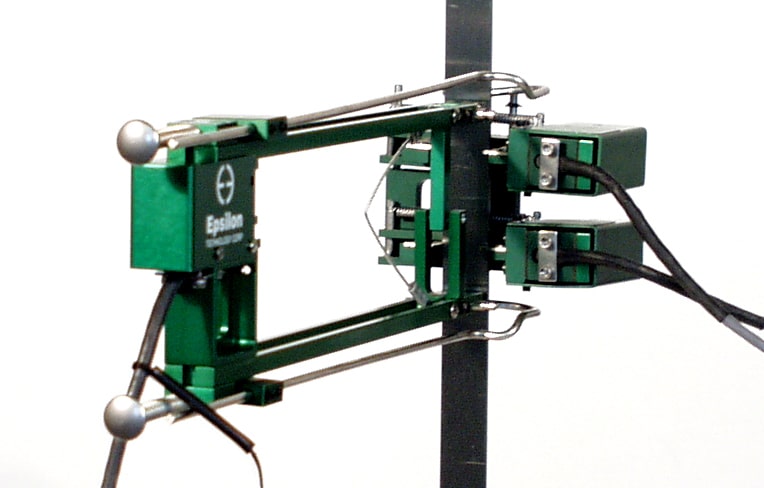
To ensure accuracy and consistency, both R-value and N-value are measured using standardized procedures:
- ASTM E517 and ISO 10113 for determining plastic strain ratio (R-value).
- ASTM E646 and ISO 10275 for calculating the strain hardening exponent (N-value).
These standards define the test setup, sample preparation, and data analysis, making results comparable across different applications and laboratories.